| Why Are Certain Oral Surgeries More Difficult? |
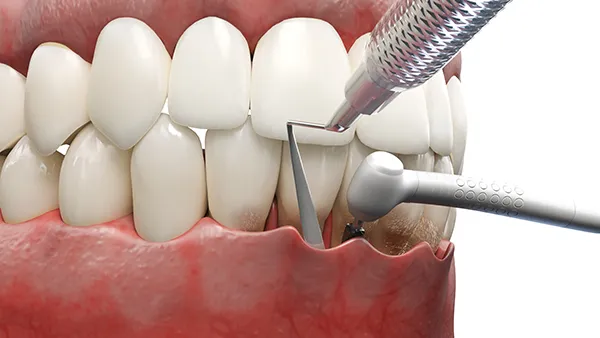
Do you have an oral surgery scheduled? You may be wondering why certain oral procedures are more difficult. From routine tooth removal to complex corrective procedures that require extensive expertise, understanding the intricacies of various surgeries, your unique factors, and the inherent complexities can help you make informed decisions.
The most common factor that can increase the difficulty of oral surgeries is the patient’s health. Certain conditions, like bleeding disorders, diabetes, or osteoporosis, can impact healing and increase downtime. Additionally, some patients may require alternative sedation methods or experience heightened anxiety, affecting the approach for the procedure.
The patient’s jaw and teeth anatomy also play a vital role in oral surgeries. Proximity to nerves or sinuses, complex root systems, and dense bone structures can make some oral procedures more intricate. A good example is when patients undergoing extraction have unerupted wisdom teeth near the mandibular nerve. This can increase the risk of nerve damage, making the procedure more difficult.
Lastly, the technical precision required for different oral treatments elevates the difficulty. If you want to undergo a procedure involving tissue regeneration, jaw realignment, or bone grafting, it often requires specialized equipment, extensive expertise, and long surgical durations. Before undergoing an oral surgical procedure, your dentist or physician will conduct a thorough evaluation and devise a customized approach to address your specific needs.
|
|
|
|
|
|
|
|
| What Are the Restrictions After Oral Surgery?
|
Oral surgeries vary, and some may come with post-operation instructions from the oral surgeon. If you are scheduled for wisdom tooth removal, your physician may recommend refraining from vaping or smoking and using straws during recovery. This is crucial to protect the blood clot that forms over the jawbone, since losing or dislodging it can lead to dry socket and intense pain at the surgery site. While it is normal to receive post-op instructions from your physician, familiarizing yourself with the different actions to avoid is crucial to help you prepare for recovery. Consult your dentist or oral surgeon to learn more about the various restrictions to your procedure.
|
|
|
| Should I Use Different Tools and Products for Home Dental Care? |
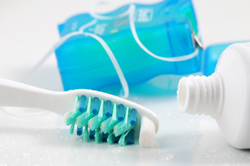
When it comes to maintaining oral hygiene at home, most people are unsure whether to use different tools and products. According to dentists and oral health specialists, using a wide range of hygiene tools and products is crucial to enhancing your home dental hygiene routine. While regular brushing and flossing are the fundamentals of dental health, incorporating specialized tools like tongue scrapers or oral irrigators can improve your cleaning efforts. Additionally, people with braces or implants can benefit from an aerator, as it removes trapped food particles in hard-to-reach areas. Schedule a consultation with our dental specialists to ensure you choose the right tools and products for your specific needs.
|
|
|