| What Procedures Fall Under Oral and Maxillofacial Surgery? |
Oral and maxillofacial surgery encompasses a diverse range of surgical treatments that address various issues affecting the oral cavity, maxillofacial area, and adjacent structures. The dentist or oral surgeon will conduct a thorough examination to detect the problem and assess the extent of damage before recommending the best course of treatment.
The most common treatments under oral and maxillofacial surgery are dental implants. These are small surgically placed titanium posts that anchor artificial teeth. The oral surgeon surgically places these into the jawbone beneath the gum line, after which several months are needed for the gums to heal. Once in place, implants require regular care, such as brushing and flossing, just like natural teeth.
Another procedure that oral surgeons perform is wisdom tooth extraction. As the name suggests, this is a surgical procedure that removes one or more third molars to ease pain, reduce swelling, or prevent infection. The process often involves IV or local sedation, a small incision in the gum, and stitches to close the extraction wound. After a successful removal, the surgeon will recommend post-operative care to manage the side effects and prevent complications.
Maxillofacial surgery, or corrective jaw surgery, is designed to correct jaw alignment issues and deformities. The primary purpose of undergoing surgery is to enhance function, appearance, and overall health. Jaw surgery often involves moving the upper and lower jaw to create a more harmonious relationship. Sometimes, the surgeon can combine maxillofacial surgery with other treatments, such as braces, to achieve the desired results.
Contact our oral surgeon today to find out more!
|
|
|
|
|
|
|
|
| Why Is My Face Swollen After Having Oral Surgery 3 Days Ago?
|
Oral surgery, such as dental implants, tooth extractions, or root canal procedures, can be performed in an office setting. Similar to most surgical procedures, you should expect to experience post-operative swelling. The extent of swelling and pain depends on the invasiveness of the procedure, so it is recommended that you consult your surgeon before treatment to ensure you know what to expect. To alleviate swelling, remember to apply an ice pack to the outer side of the affected area for the first three days and avoid frequent head movements. If the swelling and discomfort persist, visit your dentist or oral surgeon for an evaluation and tailored solutions.
|
|
|
| Can a Dentist Get Stains Off My Teeth? |
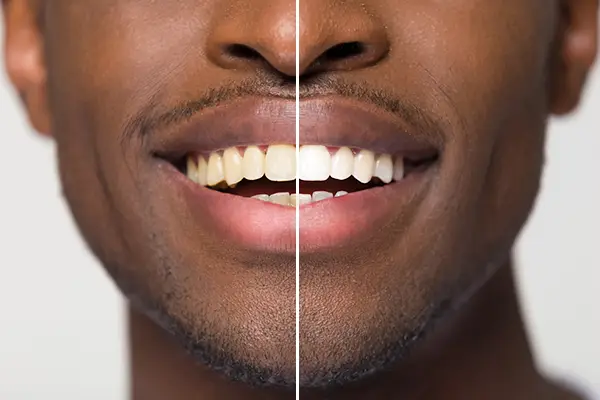
Nothing is more frustrating than stubborn stains on your teeth, no matter how hard you brush them. While staining is a cosmetic matter, dentists can remove discoloration through proven techniques like whitening, scaling, and planing, or other cosmetic treatments. When you visit the dentist’s office, they can use specialized tools to remove surface stains or administer appropriate whitening treatments for deeper discoloration. If the stains are deep within the enamel and cannot be cleaned and whitened, then dentists can recommend veneers. These are thin, custom-made shells that are bonded to the front teeth to cover the blemishes. Schedule an appointment to determine the cause and the effective treatments for your specific situation.
|
|
|