Read Our Reviews


CALL
(480) 939-5818 | Home | | | | | | | Smile Gallery | | | | | Reviews | | | Blog | | | Contact Us |
| Home | | | | | | | Smile Gallery | | | | | Reviews | | | Blog | | | Contact Us |
CAD-CAM Mesa AZ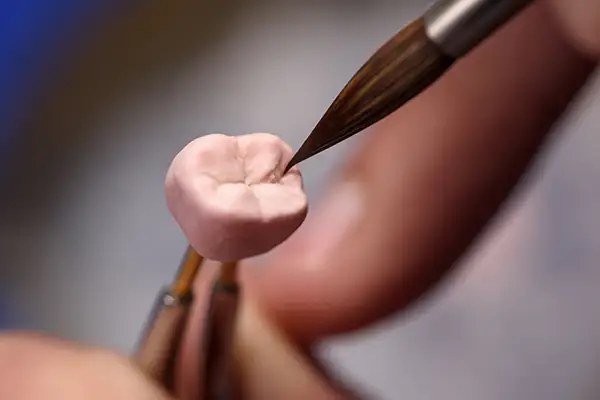
Most people understand that getting a dental crown means two appointments, a temporary dental crown in between, and a waiting period that can stretch for weeks. What many patients do not realize is that this process has changed significantly for practices like Timothy H. Kindt, DDS that have adopted CAD/CAM technology. For a growing number of dental patients, the experience of receiving a permanent dental crown now looks nothing like what they expected, and that difference is something worth knowing before you schedule your next restoration. The Problem With the Traditional Crown ProcessThe conventional approach to crown placement has been standard for decades: prepare the tooth, take a physical impression, place a temporary crown, send the impression to a dental laboratory, and schedule a second appointment two to three weeks later to remove the temporary and bond the permanent crown. While this method can produce quality results, it carries inherent drawbacks that are easy to overlook until you are living with them. Temporary crowns are made from acrylic or composite resin and are cemented in place with a weaker, removable adhesive so they can be taken off at the follow-up appointment. This design means they are more susceptible to coming loose or breaking, particularly when eating sticky or hard foods. Patients often receive a list of dietary restrictions during the interim period. Sensitivity under the temporary is also common, because the underlying tooth preparation exposes dentin that is more reactive to temperature changes. Then there is the second appointment itself. For patients with busy schedules, limited transportation, or significant dental anxiety, returning to the office for crown delivery creates an additional barrier. Some patients delay or avoid that second visit altogether, leaving a temporary restoration in place far longer than intended. How CAD/CAM Eliminates These StepsCAD/CAM technology, which stands for Computer-Aided Design and Computer-Aided Manufacturing, addresses the limitations of the traditional process by bringing the design and fabrication of the restoration into the dental office itself. Rather than outsourcing the crown to a remote laboratory, the dentist uses an in-office milling machine to produce the restoration on the same day the tooth is prepared. The appointment begins the same way any crown procedure does: with local anesthesia and removal of the damaged or decayed portion of the tooth. What changes is what happens next. Instead of taking a physical impression, the dental team scans the prepared tooth using an intraoral camera that produces a detailed three-dimensional digital model within seconds. No trays, no impression material, no gagging. That digital model is used by the dentist or a trained team member to design the crown on screen. The software provides reference points based on the surrounding teeth and guides the design toward a fit that mirrors the patient's natural bite. Once the design is approved, it is sent wirelessly to the milling unit, which carves the restoration from a ceramic or zirconia block in about 10 to 20 minutes. The finished crown is polished, color-matched if needed, and bonded to the tooth, often within the span of a single two-hour appointment. What Patients Notice During the AppointmentPatients who experience a CAD/CAM appointment for the first time often comment on how different the scanning process feels compared to traditional impressions. The intraoral scanner is a small wand that moves around the mouth while displaying a real-time 3D image on a monitor. There is no material to bite into or hold in place, and the entire scan typically takes only two to four minutes. For patients who have struggled with strong gag reflexes or discomfort during impression-taking, this difference is significant. The period while the crown is being milled is a natural rest point in the appointment. Patients can sit comfortably, watch the milling process if they choose, or simply wait. Because the fabrication happens on site, there is no uncertainty about timing, no phone calls to check on laboratory status, and no rescheduling if the crown does not arrive in time. Placement of the finished restoration follows the same steps as a traditional crown seating: the dentist checks the fit, evaluates contacts with adjacent teeth, confirms the bite, and bonds the crown into place. Most patients leave the appointment with a fully placed permanent restoration and no follow-up crown delivery scheduled. The Quality of Same-Day RestorationsA reasonable question is whether the speed of CAD/CAM production comes at the expense of quality. Research and clinical outcomes consistently indicate it does not. CAD/CAM restorations are milled from high-grade prefabricated ceramic or zirconia blocks that are manufactured under controlled industrial conditions, which in many respects is more consistent than hand-layered laboratory porcelain. The digital design process also reduces the margin for human error that can be introduced during conventional impression-taking, model pouring, and manual wax-up. Because the fit is designed and verified digitally before milling begins, the resulting restoration tends to seat accurately and require minimal adjustment. Long-term clinical studies on in-office CAD/CAM restorations show survival rates comparable to traditionally fabricated crowns. Aesthetics are also strong. Modern ceramic blocks are available in a range of shades and levels of translucency, and many can be further characterized with stain and glaze to match the surrounding dentition closely. The result is a crown that functions well and looks natural. Is a Same-Day Crown Right for You?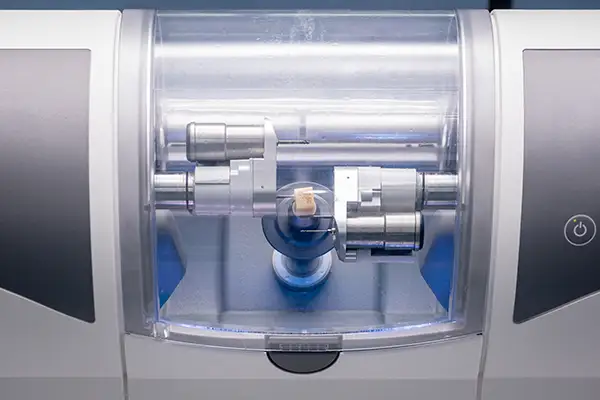
CAD/CAM restorations are well-suited for a wide range of clinical situations, including posterior crowns, inlays, onlays, and veneers on anterior teeth. Patients who want to minimize the number of dental appointments, avoid wearing a temporary crown, or simply complete their care more efficiently are often good candidates. If you have been told you need a crown or other restoration and are curious whether same-day treatment is available, contact Timothy H. Kindt, DDS at (480) 939-5818 to schedule a consultation with Dr. Kindt. Our team is happy to walk you through what the appointment involves and help you determine whether CAD/CAM technology is the right fit for your dental needs. |


TESTIMONIALS  What our patients are saying about us
"The first thought that comes to mind for this dental office is "kindness". Perhaps the Kind in Dr. Kindt's name was meant to be! Dr. Kindt and his staff offer the very best in dental care. I recently had extensive cosmetic dental work done and am delighted with the results. The great thing is that people notice my lovely teeth and I get lots of compliments when I smile. I consider Dr. Tim an artist when it comes to dental work. In addition to beautiful work the next best thing is that during hours of extensive work I experienced NO discomfort or pain. The final results combined with the utmost care for my comfort make it easy for me to give this dental office a five star rating." ~ Elaine S. Read More Reviews |
1244 N Greenfield Rd, Suite 105 Mesa, AZ 85205-4078 Call (480) 939-5818
 |
 |
